
Pumpkin Seed Protein Review Overview
Pumpkin seed protein offers a clean and nutrient-dense option for those seeking a plant-based protein source. With a complete amino acid profile and rich in essential fatty acids, it may support various dietary needs. This review will explore its formulation, potential benefits, and practical uses.
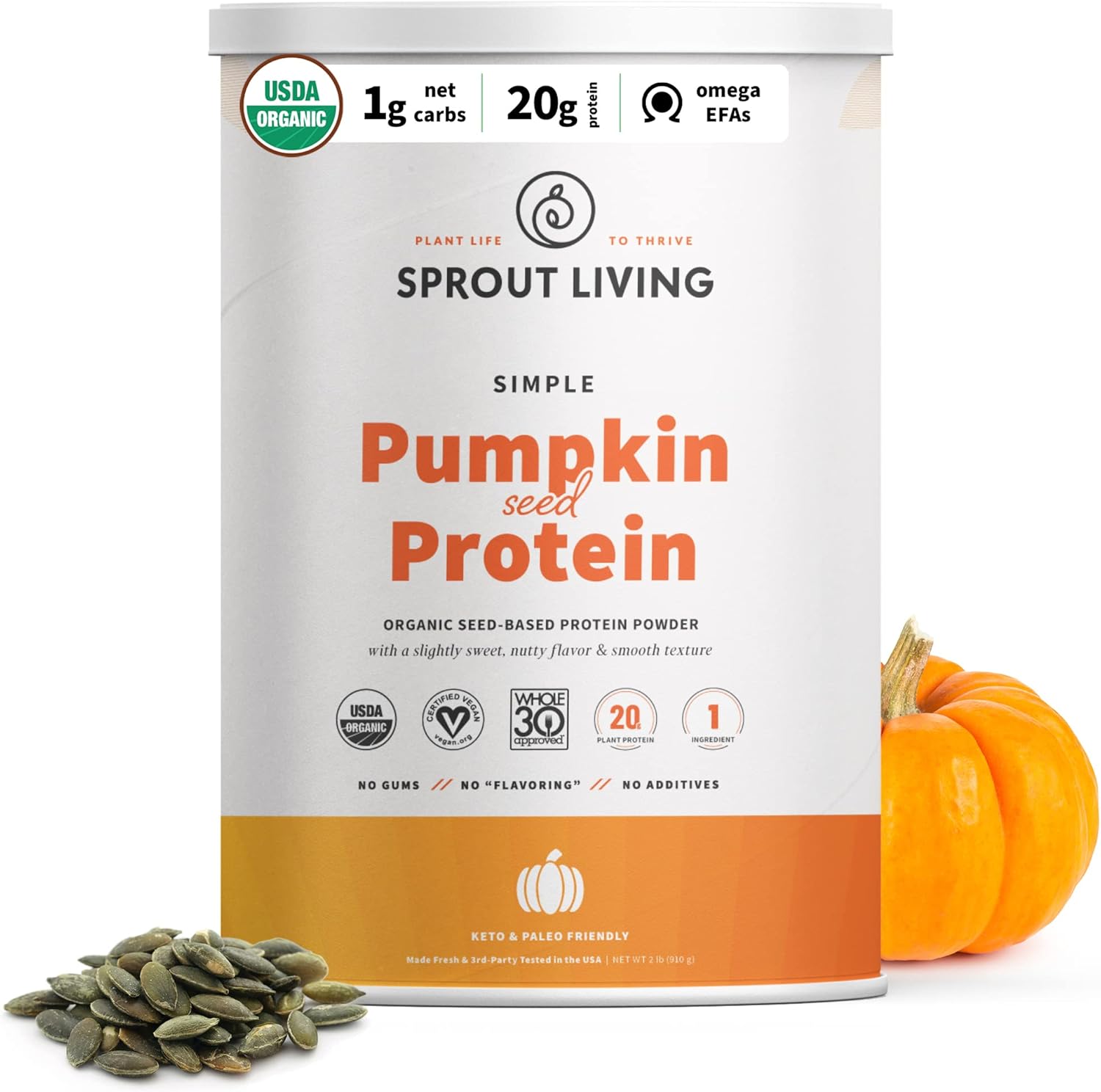
Pumpkin Seed Protein: Organic & Clean Option
PURE ORGANIC PLANT PROTEIN - Organic plant protein powder without artificial sweeteners, made from organic, non-GMO AA grade pumpkin seeds that have been cold-pressed. COMPLETE AMINO ACID PROFILE - 20 grams per serving…
Ingredient Analysis
The primary component of this product is organic pumpkin seed protein, known for its high bioavailability and complete amino acid profile. The absence of additives enhances its purity and potential health benefits. Pumpkin seeds are naturally rich in omega fatty acids, which can contribute to heart health and inflammation reduction.
Evidence & Mechanistic Rationale
While marketing claims highlight the protein’s complete amino acid profile and essential fatty acids, research supports these attributes. According to the Harvard Nutrition Source, plant-based proteins like pumpkin seed can effectively support muscle maintenance and overall health.
Practical Use & Suitability
Pumpkin seed protein may suit individuals seeking a vegan, gluten-free protein source. It is particularly beneficial for those with dietary restrictions or allergies to soy and dairy. However, those sensitive to seeds or requiring flavoured options might need to consider alternatives. For those interested in a structured dietary programme, the 12-Week Beginner Plant-Based Journey could be a valuable resource.
Pros and Considerations
- Complete amino acid profile
- Single ingredient, organic
- Rich in essential fatty acids
- Potential chalky texture
- Limited flavour options
- Requires refrigeration after opening
Final Verdict
Sprout Living Organic Pumpkin Seed Protein Powder is a commendable choice for those seeking a clean, plant-based protein source. Its formulation is simple yet effective, offering a complete amino acid profile and essential fatty acids. Check price on Amazon
FAQ
What are the benefits of pumpkin seed protein?
Pumpkin seed protein is a highly digestible, hypoallergenic source of complete plant protein. Beyond supporting muscle synthesis, it is uniquely rich in magnesium for heart health, zinc for immune function, and tryptophan for sleep and mood regulation. Its high concentration of omega fatty acids and antioxidants makes it a premier evidence-based choice for reducing systemic inflammation and supporting metabolic health
Is pumpkin seed protein suitable for vegans?
Absolutely. Pumpkin seed protein is a 100% plant-based, vegan-friendly protein source that is naturally free from dairy, soy, and gluten. Unlike many animal-based proteins, it is cold-pressed from raw seeds, preserving vital phytonutrients and minerals. It provides a clean, evidence-based alternative for those seeking a high-quality, cruelty-free amino acid profile.
How does pumpkin seed protein compare to other plant proteins?
While pea and soy are industry standards, pumpkin seed protein distinguishes itself through its micronutrient density. It provides a complete amino acid profile but offers significantly higher levels of magnesium, zinc, and iron than most alternatives. Furthermore, it is often preferred in evidence-based nutrition for its superior digestibility and lack of phytoestrogens (found in soy) or lectins (found in some legumes), making it an ideal “clean-label” protein for sensitive digestive systems.
Does pumpkin seed protein contain all essential amino acids?
Yes. Pumpkin seed protein is a complete plant-based protein, meaning it contains all nine essential amino acids (EAAs) that the body cannot synthesize on its own. While many plant sources are limiting in certain areas, pumpkin seeds provide a particularly robust concentration of branched-chain amino acids (BCAAs)—leucine, isoleucine, and valine—essential for muscle protein synthesis. Furthermore, they are an elite source of tryptophan, the precursor to serotonin and melatonin, offering a science-led advantage for both mood regulation and recovery that surpasses many common legume-based proteins.
Are there any additives in pumpkin seed protein powder?
No. Our pumpkin seed protein is a “clean-label” ingredient, meaning it is free from artificial sweeteners, synthetic flavors, and bulk fillers like maltodextrin or gums. Unlike many commercial plant proteins that require chemical maskers to hide “earthy” notes, high-quality pumpkin seed protein is naturally palatable. It is produced through a mechanical cold-pressing process, ensuring the final powder remains 100% pure, nutrient-dense, and free from the hexane or chemical solvents often used in soy protein isolation.
How should I store pumpkin seed protein powder?
To preserve the delicate fatty acids and prevent oxidation, store pumpkin seed in a cool, dark, and dry environment. Once the seal is broken, we recommend refrigeration to protect the powder’s nutritional potency and extend its shelf life. Exposure to light, heat, and oxygen can degrade the vitamin E content and cause the natural oils to go rancid. For optimal evidence-based results, ensure the container is airtight and kept away from direct sunlight or kitchen heat sources.
Can pumpkin seed protein be used in baking?
Absolutely. Pumpkin seed is highly heat-stable and serves as an excellent evidence-based alternative for fortifying baked goods. Due to its dense nutrient profile and natural binding properties, it works exceptionally well in muffins, pancakes, and grain-free breads. However, because it is highly absorbent, we recommend replacing no more than 25% of the total flour volume with pumpkin seed protein and slightly increasing your liquid ratio to maintain optimal moisture and texture. Its mild, nutty flavor profile complements plant-based recipes perfectly without the chalky aftertaste common in other protein isolates.
What is the recommended serving size for pumpkin seed protein powder?
A standard serving is typically 30 grams (one scoop), which yields approximately 18 to 20 grams of complete protein. However, for evidence-based muscle synthesis or post-workout recovery, some individuals may require a 1.5-scoop serving to reach the optimal leucine threshold. Because pumpkin seed protein is nutrient-dense, a single serving also provides roughly 25-30% of your daily magnesium and zinc requirements, making it as much a mineral supplement as it is a protein source.
